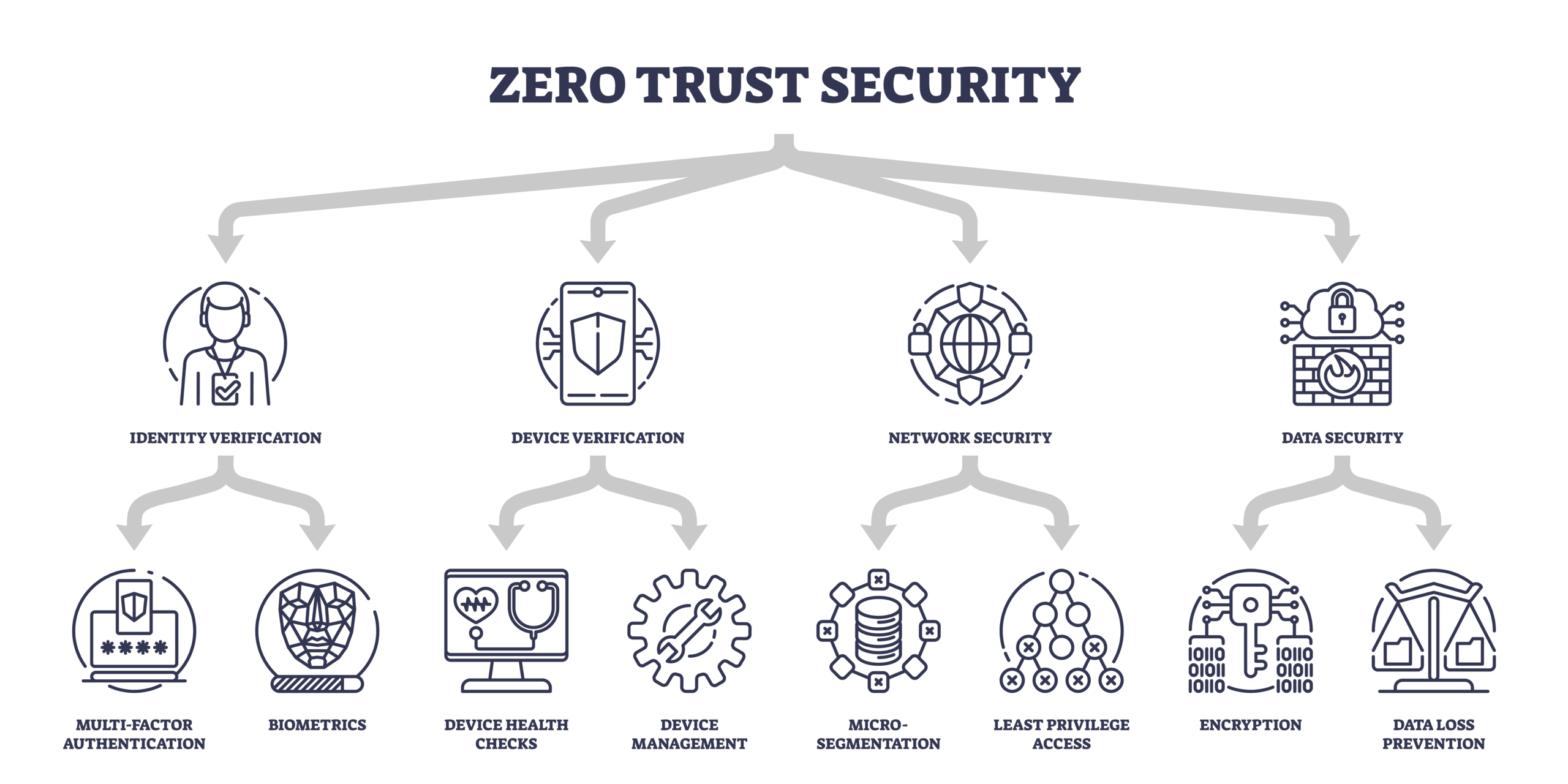
image depicting a shield branching out to cybersecurity action icons

Cybersecurity Is Not a Light Switch

In today’s threat landscape, defending against nation-state actors and cybercriminals is more important than ever. The global cybersecurity environment is increasingly complex, with adversaries moving more quickly to exploit newly disclosed vulnerabilities, target cloud services and user identities, and use ransomware, extortion, and disruptive attacks to pressure organizations of every size. This is even more critical during times of geopolitical conflict, natural disaster, or other crises where our adversaries may think we have taken our eyes off the ball. Over the last several years, small and medium-sized businesses and governments have become common targets for our adversaries. Even sectors such as healthcare, water utilities, schools, and other critical infrastructure are no longer off-limits. These organizations are often already facing challenges in staffing and resources to adequately protect their systems and networks. These challenges are magnified by the dependence on third-party systems and the risks associated with incomplete third-party security assessments and re-assessments. As attackers increasingly combine phishing, credential theft, software exploitation, and supply-chain intrusion techniques, even a single weak point can create operational, financial, and reputational consequences across an organization and its partners.

Continue reading

AI Is Raising the Bar for Federal Workforce Readiness

Federal agencies are moving aggressively to adopt artificial intelligence across defense and intelligence missions. AI strategy is expanding. New roles are emerging. Expectations are rising.

But there’s a structural problem underneath many of these efforts: Leaders often lack a reliable way to determine whether their workforce is actually prepared to execute.

For years, agencies have relied on job titles, levels, and certifications as signals of capability. Those signals worked when roles were narrower and requirements were simpler. AI changes that equation. Today’s AI-related roles require a blend of strategy, governance, risk management, compliance awareness, and operational execution. A generic credential or title rarely captures that complexity.

As a result, organizations risk staffing AI initiatives based on incomplete information. The consequences show up quickly: stalled projects, uneven adoption, misaligned training investments, and leadership roles filled without validated competency.

This is exactly why IntelliGenesis built IntelliCademy™.

Continue reading

By training models not only to affirm valid statements but also to actively reject invalid ones—to effectively learn to say "no"—AI systems become more resilient, trustworthy, and aligned with human logic. 

AI Needs to Learn to Say “No” 

At IntelliGenesis, we’re always pushing the boundaries of what’s possible with artificial intelligence, and our new research paper tackles one of AI’s toughest challenges: teaching models to reason logically. The paper, “Addressing Logical Fallacies in Scientific Reasoning from Large Language Models: Towards a Dual-Inference Training Framework,” was spearheaded by our Chief Innovation Officer, Pete Walker, Ph.D., alongside IntelliGenesis team members Matt Lienert and Tom Pardue, and external contributors Hannah Davidson, Aiden Foster, and Dale Russell, Ph.D.  

Continue reading

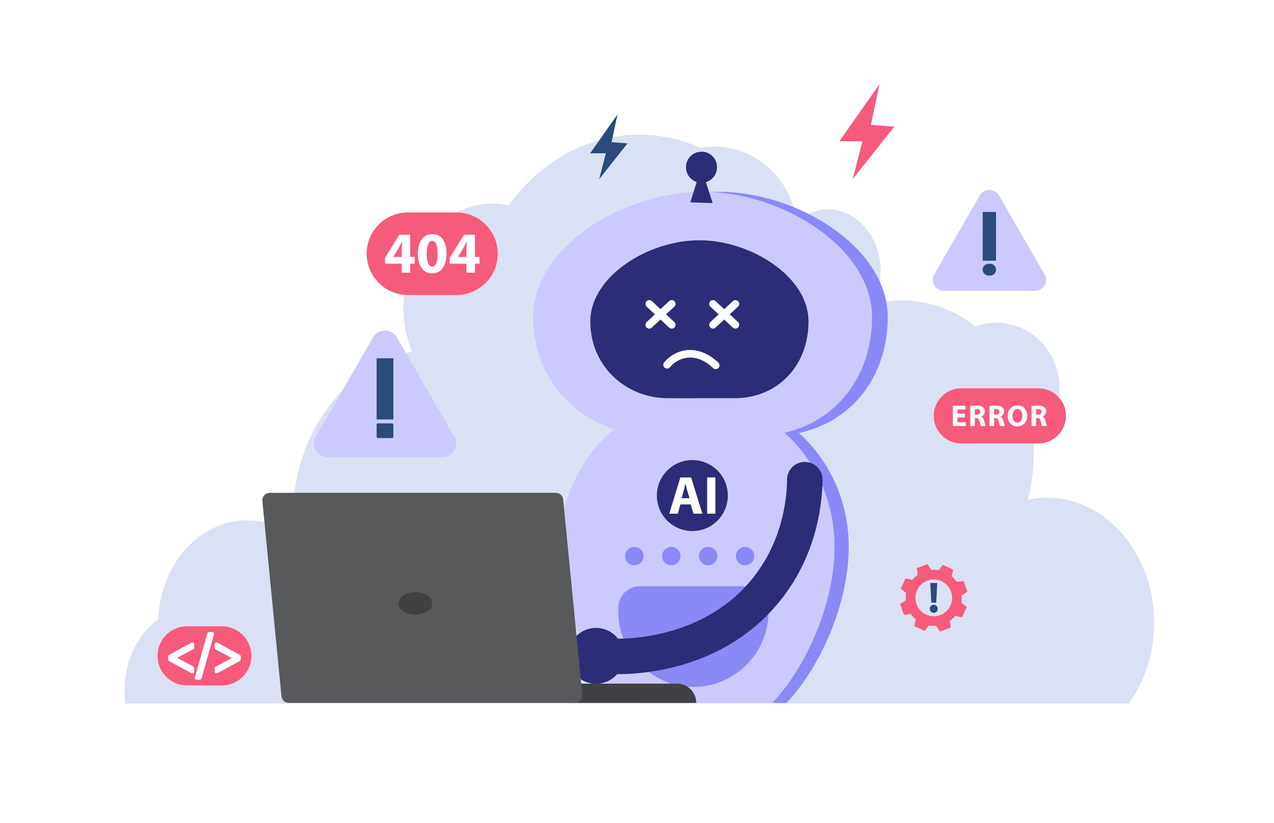
Robot surrounded by computer errors showing an AI project fail

Why Do So Many AI Projects Fail?

What if you spent more than half a trillion dollars and got almost nothing in return?  IDC estimates that by 2028, corporate spending on AI solutions will climb to $632 billion from just over $300 billion in 2025. Yet, despite this massive investment, many AI projects fail, while those that do survive often produce no meaningful financial benefit.  

Continue reading

AI is a tool meant to augment its user

AI is a Power Tool, Not a Pink Slip 

Progress tends to make people uneasy and is often met with resistance. Even something as seemingly innocuous as the introduction of writing more than 5,000 years ago drew criticism that it would diminish memory and other cognitive abilities. At the time, Socrates argued that writing was a tool that created the illusion of understanding without true knowledge.

Today, similar skepticism surrounds artificial intelligence, intensified by anxiety over widespread job loss. But the purpose of AI is not to make humans obsolete. Like writing, which documented knowledge and boosted our capacity to learn, create, and solve problems, AI is also meant to amplify human productivity and potential.

Continue reading

MITRE ATT&CK logo on a blue abstract background

The MITRE ATT&CK® Framework: It’s More Than TTPs

When most cybersecurity professionals think of the MITRE ATT&CK® framework, they think of TTPs—tactics, techniques, and procedures. These terms have become shorthand for how attackers operate and are often used to guide detection and response strategies. But ATT&CK is more than just a static list of hacker moves. The framework is structured around interconnected building blocks known as objects that describe adversary behaviors, tools, mitigations, and other elements. More importantly, these objects have meaningful relationships between them, which turns ATT&CK into a dynamic, contextual map of the threat landscape.

Continue reading

Different network traffic represented by computer, server and file icons all connected by network lines

Understanding North-South vs East-West Network Traffic

Why It Matters in Securing Your Network 

Not all network traffic is the same. Depending on where it’s headed and where it came from, network traffic can behave differently and pose different security challenges. Some threats come from the outside or involve sensitive data being exfiltrated out of the network, which is north-south traffic. Other threats move quietly within the network itself, spreading laterally through east-west traffic. 

Continue reading

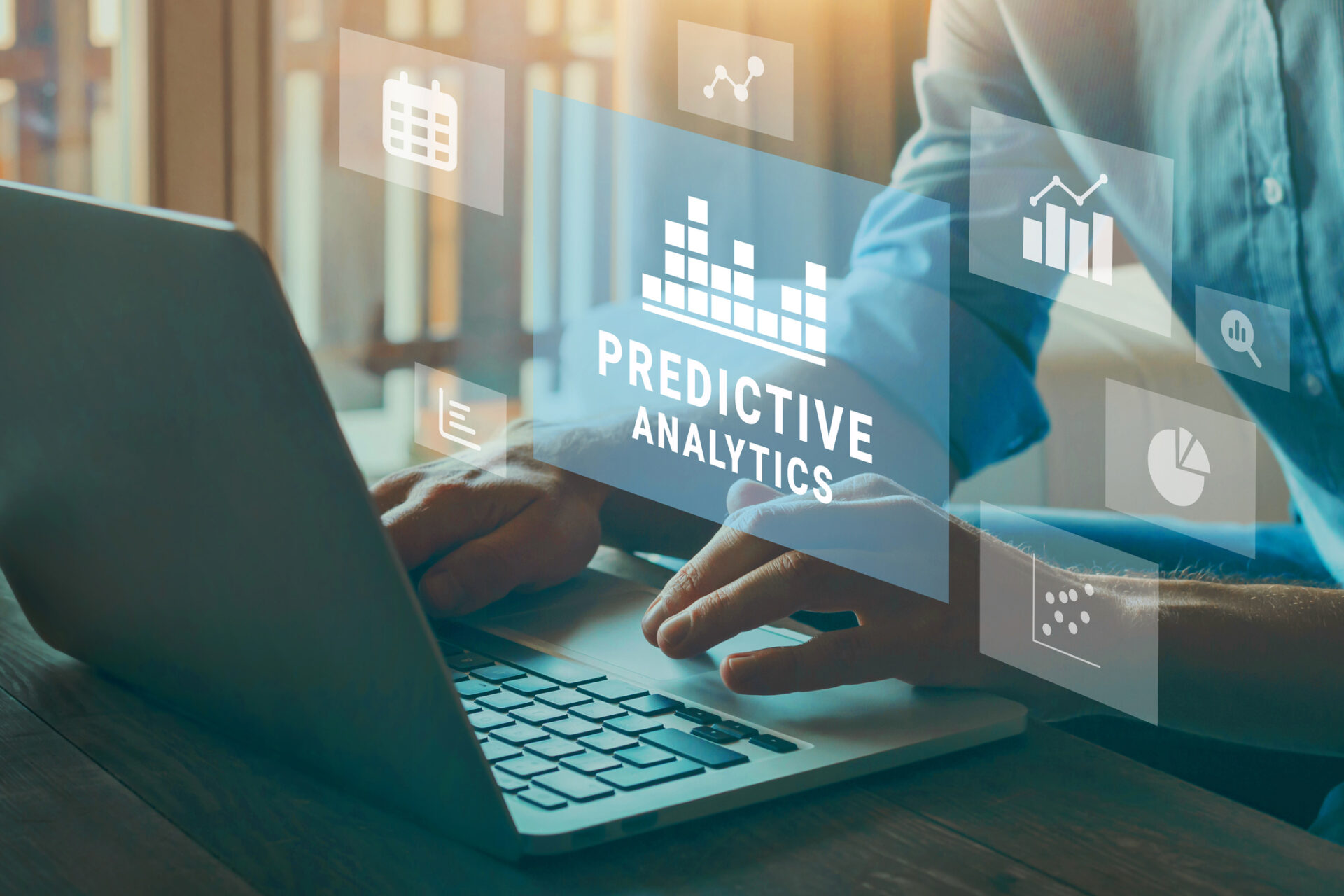
Computer showing predictive analytics at the user's fingertips

The Power of Predictive Analytics in Cybersecurity

In cybersecurity, reacting quickly is good, but anticipating what’s coming next is even better.  

What are Predictive Analytics? 

Predictive analytics combine network data and threat intelligence with machine learning techniques and natural language processing to anticipate an attacker’s next moves.

How does it work? Algorithms analyze mountains of data—network traffic, login patterns, file sizes, IP addresses, and more. If something unusual occurs, predictive models flag the activity as suspicious.

But these models don’t just tell you what’s happening now, they tell you what will likely happen next. Attackers don’t break into a network and immediately begin stealing data. Instead, they typically follow a recognizable sequence of behaviors before reaching their final objective.

For example, if a user who never runs PowerShell starts executing a script, gathers login credentials, and accesses machines they don’t typically use, predictive analytics can link these behaviors and recognize them as the early stages of a potential data exfiltration attack. Next steps will likely involve data collection, connecting to an external system, and stealing data.

Continue reading